
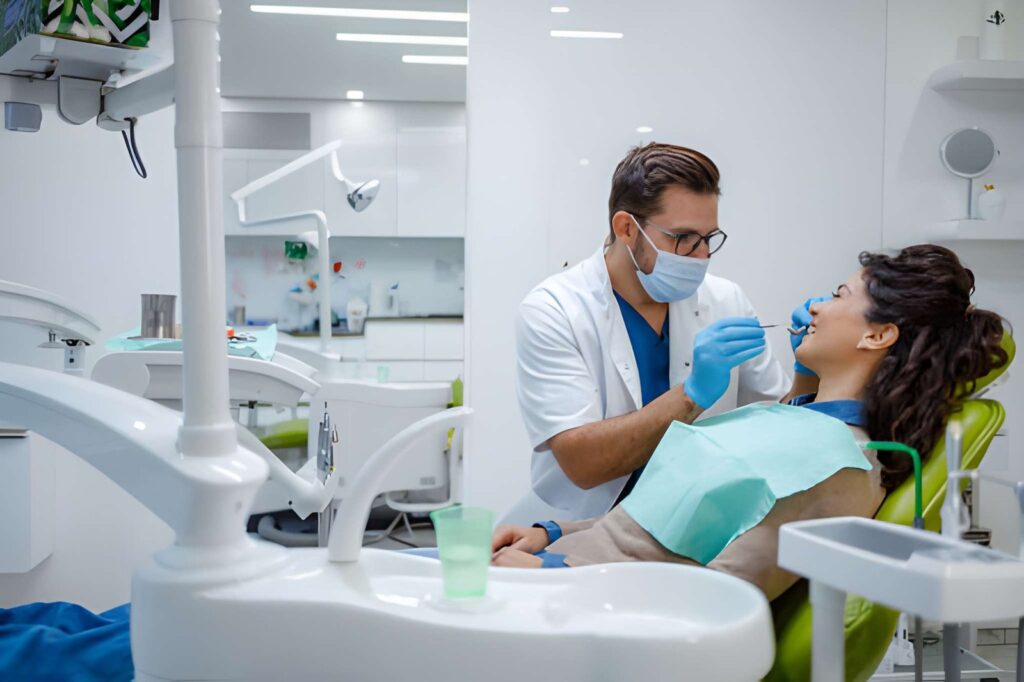
What to Expect During a Dental Hygienist Visit: A Step-by-Step Guide
Visiting the dentist doesn’t need to be stressful. Whether it’s your first appointment with us or you’re due for a routine check-up, knowing what to expect can make all the difference. This guide walks you through what happens at GK Dental in Hawick – from booking your appointment to what to expect during your first visit – so you can feel confident every step of the way.
Step 1: Reviewing Your Medical History
Your appointment usually begins with a review of your medical history. This step is essential because your overall health can directly affect your oral health. Dentist in Hawick You may be asked about medications, existing health conditions, allergies, or recent treatments. Even changes that seem minor can influence how your care is delivered, particularly if you are undergoing treatment or have conditions such as diabetes or gum disease.
Step 2: Performing an Oral Exam
The hygienist will carry out a thorough examination of your mouth, gums, and teeth. This includes checking for signs of gum inflammation, plaque build-up, bleeding, or early indicators of oral health issues. They may also measure gum pockets to assess gum health and identify any early signs of periodontal disease. This step ensures that any problems are identified early before they become more serious.
Step 3: Cleaning Your Teeth
Professional cleaning is a key part of the visit. The hygienist removes plaque and tartar that cannot be eliminated through brushing and flossing alone. Special tools are used to carefully clean around the gum line and between teeth. After scaling, your teeth are polished to remove surface stains and leave them feeling smooth. In some cases, a fluoride treatment may be applied to strengthen enamel and protect against decay.
Step 4: Educating You on Oral Health
Education is a crucial part of the visit. Your hygienist will guide you on proper brushing and flossing techniques tailored to your needs. They may also provide advice on diet, lifestyle habits, and products that can improve your oral hygiene routine. Tooth Extraction Treatment in Hawick This personalised guidance helps you maintain results between appointments and reduce the risk of future problems.
Step 5: Recommending Additional Treatments
If any concerns are identified during your visit, the hygienist may recommend further care. This could include deeper cleaning procedures, fluoride treatments, or referrals for other dental services. Early recommendations help prevent minor issues from progressing into more complex conditions.
Step 6: Scheduling Your Next Appointment
Before leaving, you will typically be advised on when to return. Most people benefit from visits every six months, although some may require more frequent care depending on their oral health. Regular appointments are key to maintaining long-term oral health and preventing avoidable issues.
The Importance of Regular Dental Visits
Routine hygienist visits play a vital role in preventing tooth decay, gum disease, and other oral health concerns. They also support early detection, which can significantly reduce the need for more extensive treatments later on. Preventative care is always more effective and less invasive than reactive treatment.
When to Visit a Dentist
In addition to regular hygiene appointments, it is important to know when to seek dental care. You should book a visit if you experience tooth pain, bleeding gums, persistent bad breath, sensitivity, or visible changes in your teeth or gums. Prompt attention ensures that issues are addressed before they worsen.
Routine, Emergency, and Family Dental Care
Dental care typically falls into three categories: routine, emergency, and family care. Routine care includes regular check-ups and cleanings. Emergency care addresses urgent issues such as severe pain, injury, or infection. Family care ensures that patients of all ages receive appropriate treatment, from children learning good habits to adults maintaining long-term oral health.
NHS and Private Dental Care Explained
Patients often have the option of NHS or private dental care. NHS services focus on essential treatments to maintain oral health, while private care may offer a wider range of options, shorter waiting times, and additional cosmetic treatments. The right choice depends on your needs, preferences, and priorities.
Supporting Long-Term Oral Health
Consistent dental visits, combined with good daily habits, are the foundation of long-term oral health. Brushing twice daily, flossing regularly, and maintaining a balanced diet all contribute to healthier teeth and gums. Professional care complements these habits by addressing areas that are difficult to manage at home.
Pain-Free and Comfortable Dentistry
Modern dental care focuses on patient comfort. Techniques and technologies are designed to minimise discomfort and create a more relaxed experience. If you feel anxious about dental visits, discussing your concerns with your hygienist can help ensure your appointment is as comfortable as possible.
Making Informed Decisions About Your Care
Understanding your treatment options and asking the right questions can help you make confident decisions. You should feel comfortable discussing procedures, costs, and expected outcomes. Clear communication ensures that you receive care that aligns with your needs and expectations.
General Health and Oral Health Connection
Your oral health is closely linked to your overall wellbeing. Conditions such as gum disease have been associated with wider health concerns, including heart health and diabetes. GK Dental Hawick Maintaining good oral hygiene is therefore an important part of your general health routine.
FAQs
How long does a dental hygienist appointment take?
Most appointments last between 30 minutes and one hour, depending on your oral health and the level of cleaning required.
Does a dental cleaning hurt?
For most people, cleaning is not painful. You may feel slight discomfort if there is significant plaque build-up or gum sensitivity, but modern techniques are designed to minimise discomfort.
How often should I see a dental hygienist?
It is generally recommended to visit every six months, although your hygienist may suggest more frequent visits if you have specific oral health concerns.
What should I do between appointments?
Maintain a consistent routine of brushing twice daily, flossing, and using any recommended products. A balanced diet and limiting sugary foods also help protect your teeth.
Can a hygienist detect serious dental problems?
Yes, hygienists are trained to identify early signs of issues such as gum disease and tooth decay, allowing for timely treatment and better outcomes.
Is it necessary to see a hygienist if I brush regularly?
Yes, even with excellent home care, professional cleaning removes tartar and addresses areas that cannot be reached with brushing and flossing alone.
Ready to take the next step? Booking a dental hygienist appointment is a simple yet powerful way to protect your oral health and maintain a confident smile.