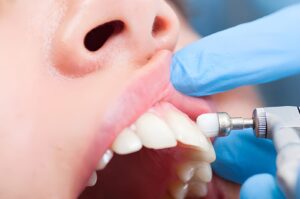

When it comes to improving your smile and addressing dental imperfections, composite bonding is one of the most popular choices available today. It is a minimally invasive and cost-effective cosmetic dental procedure that can make a significant difference in the appearance of your teeth. However, a question that many people ask is: can you get composite bonding on the NHS? In this comprehensive guide, we explore what composite bonding is, how it works, how long it lasts, and the circumstances under which you might access dental bonding on the NHS — or whether going private is your best route.
What Is Composite Bonding?
So, what is composite bonding, exactly? It is a dental procedure that involves the application of a tooth-coloured resin material directly onto the surface of your teeth to improve their appearance. Composite bonding teeth treatment is commonly used to:
- Repair chipped or cracked teeth
- Close unwanted gaps between teeth
- Reshape or lengthen misaligned teeth
- Cover staining or discolouration
The resin used in teeth bonding is carefully colour-matched to your natural teeth, making the results virtually indistinguishable from the real thing. It is also one of the most minimally invasive cosmetic procedures available — in most cases, no drilling or anaesthetic is required.
The Role of the NHS in Dental Care
The NHS provides comprehensive dental care to eligible individuals across the UK. This includes essential services such as check-ups, fillings, extractions, and treatment for gum disease. However, the NHS primarily focuses on maintaining and restoring oral health for clinical and medical reasons, rather than for purely cosmetic purposes.
This distinction is key when asking: do NHS do composite bonding?
Can You Get Composite Bonding on the NHS?
The short answer is: sometimes, but not usually for cosmetic reasons.
Whether you can get composite bonding on the NHS depends entirely on why you need it. The NHS draws a clear line between treatments that are clinically necessary and those that are purely aesthetic.
1. Clinical Necessity
Composite bonding NHS eligibility most commonly applies when there is a clear clinical need. If you have a damaged, decayed, or broken tooth that requires restoration, your dentist may use composite bonding to rebuild it. In these cases, the focus is on restoring the tooth’s function and protecting your oral health — not improving appearance for cosmetic reasons.
2. Medical Reasons
If there are underlying medical reasons related to your oral health that make bonding necessary — for example, if damage to a tooth is causing difficulties with eating or speaking — the NHS may cover the procedure as part of your treatment plan.
3. Special Cases
In certain special cases, such as severe dental trauma or congenital abnormalities affecting the teeth, dental bonding on the NHS may be provided to restore both function and appearance. These situations are assessed individually by your dentist.
Purely Cosmetic Bonding Is Not Covered
It is important to be clear: if you are seeking composite bonding purely to enhance the look of healthy teeth — for example, to close a small gap, reshape a tooth, or improve symmetry — this is considered cosmetic treatment and is not covered by the NHS. The NHS prioritises clinical and medical need above aesthetic desires.
How Much Is Composite Bonding on the NHS?
If your treatment is approved under NHS criteria, composite bonding NHS costs fall under Band 2 dental charges. As of 2026, this means you would pay £73.50 in England for the course of treatment, regardless of the number of teeth treated. NHS charges differ in Wales, Scotland, and Northern Ireland.
However, it is worth noting that NHS composite bonding uses standard materials. Private treatment uses premium resins with superior colour-matching and longer-lasting finishes.
How Much Is Composite Bonding Privately?
If you do not qualify for NHS treatment — or simply prefer the quality and speed of private care — you will need to fund the treatment yourself. So, how much is composite bonding in the UK?
The cost of composite bonding in the UK typically ranges from £150 to £500 per tooth, depending on:
- The complexity of the case
- The number of teeth being treated
- The experience and reputation of the dentist
- Your location (clinics in London and larger cities tend to charge more)
- The quality of materials used
How much is composite bonding per tooth on the NHS compared to private? The difference is significant — NHS Band 2 covers the entire course of treatment for £73.50, while private treatment per tooth can range from £150 upwards.
For a full smile makeover involving 6–10 teeth, the total private cost typically falls between £1,200 and £3,500 — still considerably less expensive than porcelain veneers.
Many private clinics offer 0% finance plans, spreading the cost over 6–12 months to make treatment more accessible.
How Long Does Composite Bonding Last?
A very common question is: how long does composite bonding last?
With proper care, composite bonding typically lasts between 5 and 7 years, though some patients enjoy results for up to 8–10 years. Longevity depends on several factors:
- Oral hygiene — regular brushing, flossing, and dental check-ups
- Diet — avoiding hard foods, ice chewing, and excessive consumption of staining drinks like coffee, tea, and red wine
- Habits — nail biting, pen chewing, or grinding teeth can shorten the lifespan of bonding
- Location of the tooth — front teeth generally fare better than back teeth under heavy chewing pressure
Unlike porcelain veneers, composite bonding can be repaired relatively easily and affordably if chipping or wear occurs. Minor touch-up repairs typically cost between £50 and £150 per tooth.
Composite Bonding UK: NHS vs. Private at a Glance
| NHS | Private | |
|---|---|---|
| Eligibility | Clinical/medical need only | Open to all |
| Cost (England) | £73.50 (Band 2) | £150–£500 per tooth |
| Materials | Standard | Premium, superior colour-match |
| Waiting times | Longer | Faster access |
| Aesthetic control | Limited | Full customisation |
| Cosmetic cases | Not covered | Fully available |
Finding Composite Bonding Near Me
If you are searching for composite bonding near me, your first step should be to speak with your current NHS dentist. They can assess whether your situation qualifies for NHS-funded treatment or refer you to the right service.
If NHS treatment is not available for your case, look for reputable private dental practices in your area. When choosing a clinic, consider:
- Checking before-and-after photos of previous patients
- Reading verified patient reviews
- Asking about the dentist’s specific experience in cosmetic bonding
- Requesting a consultation before committing to treatment
Conclusion
Composite bonding on the NHS is available in limited circumstances — primarily where there is a clinical or medical need to restore a damaged or decayed tooth. For purely cosmetic improvements to healthy teeth, it is not currently offered on the NHS, and dental bonding NHS approval is not guaranteed even in borderline cases.
If you are considering composite bonding in the UK for cosmetic purposes, private dental clinics offer excellent results with premium materials, often within a single appointment. While there is a cost involved, many practices offer flexible finance options to help spread the expense.
Whether you go through the NHS or choose private treatment, the most important first step is to consult with a qualified dentist who can assess your individual needs, explain your options, and help you achieve the smile you are looking for.